
How Caron Cotton Cakes Yarn Actually Absorbs and Breathes: The Science Behind Moisture Wicking
Cotton yarn gets recommended for warm-weather projects so often that the reasoning behind it can blur into assumption. But breathability and moisture absorption aren’t magic—they’re measurable properties of the cotton fiber itself, amplified or diminished by how the yarn is constructed.
Caron Cotton Cakes combine those structural advantages with a blend formula designed to retain cotton’s natural wicking capacity while improving stitch definition. Understanding exactly how cotton cakes yarn breathability works at the fiber level helps you predict how a finished garment or dishcloth will actually perform when it matters—summer heat, kitchen steam, or anything that demands airflow and quick drying.
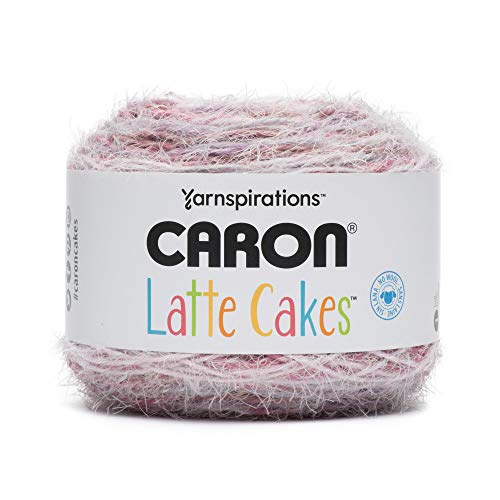
Why Cotton Fibers Absorb Moisture Without Feeling Wet
Cotton is hygroscopic—it pulls water vapor from the air and from skin into the hollow core of each fiber. A single cotton fiber can absorb up to 27% of its own weight in moisture before it feels damp to the touch.
Once absorbed, that moisture spreads along the fiber’s length and evaporates from the yarn’s surface rather than pooling against your skin. This is why a cotton dishcloth dries faster than a synthetic one left in the same conditions, and why a cotton tee feels cooler than polyester even when both are damp.
Caron Cotton Cakes use an 80% cotton, 20% acrylic blend—the acrylic component doesn’t absorb moisture itself, but it reinforces the structure so the cotton fibers remain exposed and functional. The result is a yarn that wicks moisture effectively while holding its shape through repeated washing.
How Yarn Construction Controls Airflow
Breathability isn’t just about the fiber—it’s about the gaps between stitches and the spaces within the yarn’s plies. A tightly spun, dense yarn can be 100% cotton and still trap heat because air can’t circulate.
Cotton Cakes use a medium-weight four-ply construction with enough twist to prevent splitting during crochet or knitting, but not so much that the plies compress into a solid cord. Each ply maintains slight separation, creating microscopic channels that allow air to move through the finished fabric.
When you hold a swatch of Cotton Cakes fabric up to light, you’ll see faint pinpricks where air can pass—those gaps multiply across an entire garment and explain why the same stitch pattern feels significantly cooler in cotton than in a non-breathable synthetic. For readers also working with Caron Cotton Cakes vs Simply Soft for summer projects, the difference in airflow becomes immediately noticeable in side-by-side swatches of the same gauge.
What Happens to Breathability When Cotton Yarn Gets Wet
The Absorption-Evaporation Cycle
When cotton absorbs sweat or spilled water, the fibers swell slightly as moisture fills the hollow cores. This temporarily reduces the air gaps between plies—but because cotton releases moisture through evaporation rather than holding it as surface film, the cooling effect actually increases.
Evaporation draws heat away from the fabric as water molecules transition from liquid to vapor. A damp cotton garment in moving air can feel 10–15°F cooler than a dry synthetic garment in the same conditions, which is why Cotton Cakes are favored for summer cardigans and lightweight shawls worn outdoors.
Once the moisture evaporates, the fibers contract back to their original diameter and the yarn’s structure returns to full breathability. This cycle repeats without degrading the fiber—cotton’s cellulose chains are stable in water, unlike wool, which can felt, or some acrylics, which can pill when repeatedly wetted and dried.

Comparing Cotton Cakes to Other Yarn Blends for Airflow
Pure cotton yarns breathe slightly better than Cotton Cakes on paper, but they also lose elasticity faster and can stretch out of shape after a few wears. The 20% acrylic in Cotton Cakes acts as a structural scaffold—it doesn’t absorb moisture, but it prevents the cotton component from sagging under its own weight when damp.
Acrylic-dominant blends (70% acrylic or higher) dry faster than cotton but don’t absorb moisture in the first place, so sweat stays on your skin as a film rather than wicking into the fabric. That’s why a polyester workout shirt feels clammy in humid heat, while a cotton one feels damp but cooler.
Cotton Cakes land in the middle—fast enough drying for daily use, absorbent enough to pull moisture away from skin, and durable enough to hold stitch definition through dozens of wash cycles. Makers working with self-striping options often compare Caron Cakes vs Big Cakes for stitch-definition and breathability in the same colorway category.

Testing Cotton Yarn Breathability at Home
To measure how well a yarn actually breathes, knit or crochet a 6-inch square swatch in your planned stitch pattern. Dampen it with a spray bottle until visibly wet but not dripping, then place it on a wire rack in front of a fan.
Time how long it takes for the swatch to dry completely—Cotton Cakes typically dry in 45–90 minutes depending on humidity, while a similar-weight acrylic swatch may still feel tacky on the underside after two hours. Pure cotton dries slightly faster, but the difference narrows in tighter stitch patterns where airflow is already restricted.
You can also test absorbency by weighing the swatch dry, saturating it, blotting once with a towel, and weighing again. Cotton Cakes will gain 20–25% of their dry weight in retained moisture, while acrylic gains less than 5%. That retained water is what enables the cooling evaporation effect—it’s a feature, not a flaw, as long as the yarn releases it efficiently.
Choosing Yarn Based on Real Breathability Needs
Cotton Cakes deliver measurable moisture absorption and airflow because the yarn construction preserves the natural properties of the cotton fiber while adding just enough synthetic reinforcement to prevent stretch and pilling. That balance matters most in projects worn against skin in warm weather—summer tops, kitchen textiles, baby blankets—where breathability isn’t a luxury, it’s the reason the item gets used.
Understanding how cotton cakes yarn breathability works at the structural level lets you predict performance before you finish row one. If your project demands quick drying and active cooling, Cotton Cakes will outperform acrylic blends every time—not because of marketing, but because the fiber physics are different.
Common Questions About Cotton Yarn Moisture and Airflow
Yes, because cotton absorbs moisture from your skin and releases it through evaporation, which actively cools the fabric. Acrylic doesn’t absorb moisture, so sweat stays on your skin as a film and the fabric itself doesn’t participate in cooling. The temperature difference is most noticeable in humid conditions or when you’re moving—cotton breathes, acrylic insulates.
Cotton is hygroscopic, meaning it pulls water vapor from the air even when you’re not wearing it. In high humidity, the fibers can absorb 5–8% of their weight in ambient moisture, which adds slight heft but doesn’t make the garment feel wet. Once you move to drier air or hang the piece near airflow, that absorbed humidity evaporates and the weight returns to normal.
Tighter stitches reduce the air gaps between yarn strands, which limits airflow and slows evaporation. A single crochet fabric in Cotton Cakes will feel warmer and dry slower than a V-stitch or mesh pattern in the same yarn, even though the fiber content is identical. For maximum breathability, choose lace or openwork patterns that preserve space between stitches.
Washing removes any residual finishing oils and allows the cotton fibers to bloom slightly, which can increase the yarn’s surface area and improve moisture wicking. The effect is subtle—most noticeable in the first few wears of a garment—but some makers prefer to pre-wash Cotton Cakes skeins specifically for summer tops or baby blankets where breathability is a priority.
No—the acrylic fibers are blended evenly throughout the yarn rather than coating the cotton, so air can still circulate around the cotton component. The acrylic adds durability and prevents stretching, but it doesn’t create a barrier layer the way a coated or laminated yarn would. In practical wear tests, Cotton Cakes breathe nearly as well as pure cotton yarns of the same weight and construction.
Yes—cotton’s hygroscopic properties are intrinsic to the cellulose fiber structure and don’t degrade with washing. Repeated laundering can actually improve breathability slightly by relaxing the yarn and opening up the spaces between plies. Avoid fabric softeners, which can coat the fibers and reduce absorbency, but normal detergent and tumble-drying on low heat won’t diminish the yarn’s moisture-wicking capacity.